Capturing Moments: Event Photography Tips
- Alexandra Lowe
- Sep 29
- 5 min read
Event photography is a unique blend of art and storytelling. It allows you to freeze moments in time, capturing the emotions and experiences of people during special occasions. Whether you are a professional photographer or an enthusiastic amateur, mastering the art of event photography can elevate your skills and enhance the memories you create for others.
In this post, we will explore essential tips and techniques to help you capture stunning images at any event. From preparation to post-processing, we will cover everything you need to know to make your photographs truly memorable.
Understanding Your Equipment
Before you step into an event, it is crucial to understand your camera and its settings. Familiarize yourself with the following:
Camera Modes: Learn the difference between manual, aperture priority, and shutter priority modes. Each mode has its advantages depending on the lighting and action in the scene.
Lenses: Different lenses serve different purposes. A wide-angle lens is great for group shots, while a telephoto lens can capture candid moments from a distance.
Flash: Know when to use your flash. In low-light situations, a flash can help illuminate your subjects, but be mindful of how it affects the atmosphere of the event.
Taking the time to understand your equipment will give you confidence and help you make quick decisions during the event.
Planning Ahead
Preparation is key to successful event photography. Here are some steps to consider:
Scout the Venue: If possible, visit the venue before the event. This will help you identify the best spots for photos and understand the lighting conditions.
Communicate with the Client: Discuss the client's expectations and any specific shots they want. This will ensure you capture the moments that matter most to them.
Create a Shot List: Make a list of must-have shots, such as key moments, group photos, and candid interactions. This will keep you organized and focused during the event.
By planning ahead, you can reduce stress and ensure you are ready to capture every important moment.
Mastering Composition
Composition is the backbone of great photography. Here are some tips to improve your composition skills:
Rule of Thirds: Imagine dividing your frame into a 3x3 grid. Place your subject along these lines or at their intersections to create a more balanced image.
Leading Lines: Use natural lines in the environment to guide the viewer's eye toward the subject. This could be a pathway, a railing, or even the arrangement of people.
Framing: Look for elements in the scene that can frame your subject. This could be doorways, windows, or even branches. Framing adds depth and context to your photos.
Experimenting with different compositions will help you find your unique style and make your images more engaging.
Capturing Emotions
One of the most rewarding aspects of event photography is capturing genuine emotions. Here are some strategies to help you do this:
Be Observant: Pay attention to the interactions between people. Look for moments of laughter, joy, and even tears. These candid shots often tell the best stories.
Get Close: Don’t be afraid to get close to your subjects. A close-up shot of a smiling face can convey powerful emotions that a wide shot cannot.
Use a Fast Shutter Speed: When capturing action, such as dancing or speeches, use a fast shutter speed to freeze the moment. This will help you avoid motion blur and keep your images sharp.
By focusing on emotions, you can create a narrative that resonates with viewers and brings the event to life.
Lighting Techniques
Lighting can make or break a photograph. Here are some tips to help you manage different lighting conditions:
Natural Light: Whenever possible, use natural light. It creates a soft, flattering look. Position your subjects near windows or outdoors for the best results.
Artificial Light: If you must use flash, consider bouncing it off walls or ceilings to create a softer light. Direct flash can create harsh shadows and unflattering results.
White Balance: Adjust your camera's white balance settings to match the lighting conditions. This will help you achieve accurate colors in your photos.
Understanding and manipulating light will significantly improve the quality of your images.
Post-Processing
Post-processing is an essential part of the photography workflow. Here are some tips to enhance your images after the event:
Editing Software: Use software like Adobe Lightroom or Photoshop to edit your photos. These tools allow you to adjust exposure, contrast, and color balance.
Culling: Go through your images and select the best ones. Be ruthless in your selection to ensure you present only the highest quality photos.
Consistent Style: Develop a consistent editing style that reflects your brand. This could be a specific color palette or a particular way of cropping images.
Post-processing can transform your images and help you create a cohesive collection that tells the story of the event.
Engaging with Your Subjects
Building rapport with your subjects can lead to more natural and candid photos. Here are some ways to engage with people during the event:
Be Approachable: Smile and introduce yourself. A friendly demeanor can make people feel comfortable around you.
Encourage Interaction: Prompt your subjects to interact with each other. This can lead to genuine moments that are perfect for capturing.
Be Patient: Sometimes, the best moments happen when you least expect them. Be patient and wait for the right moment to click the shutter.
Engaging with your subjects will not only improve your photos but also create a positive experience for everyone involved.
Adapting to Different Events
Each event has its unique atmosphere and requirements. Here are some tips for adapting your approach based on the type of event:
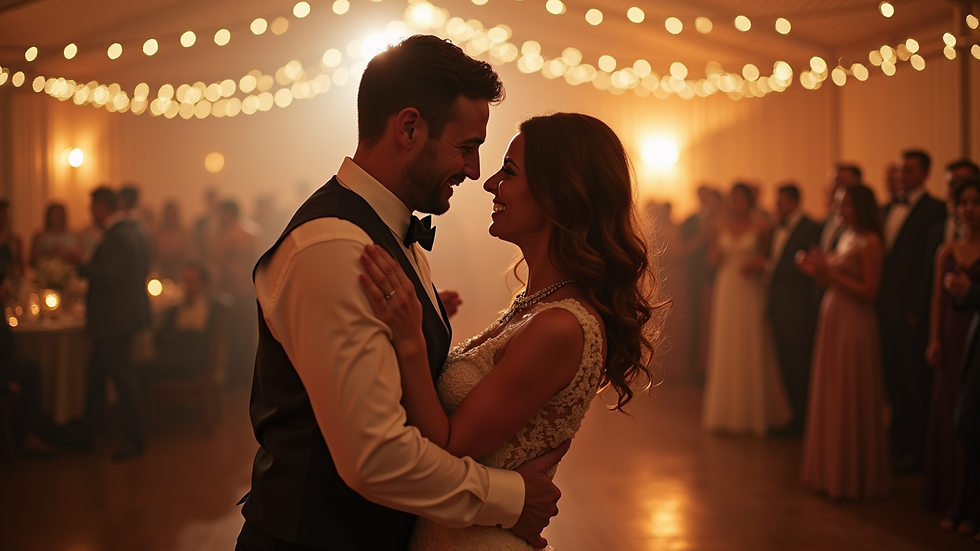
Weddings: Focus on key moments like the ceremony, first dance, and cake cutting. Be discreet and capture candid moments without being intrusive.
Corporate Events: Pay attention to networking and interactions. Capture speakers and presentations, as well as the overall atmosphere of the event.
Parties: Look for fun and lively moments. Capture guests enjoying themselves, dancing, and engaging in activities.
Understanding the nuances of different events will help you tailor your approach and deliver images that meet your clients' expectations.
Final Thoughts
Event photography is a rewarding and fulfilling pursuit. By mastering your equipment, planning ahead, and focusing on composition and emotions, you can create stunning images that tell a story. Remember to engage with your subjects and adapt your approach based on the event type.
With practice and dedication, you will capture moments that not only preserve memories but also evoke emotions for years to come. So grab your camera, embrace the excitement of each event, and let your creativity shine.


Comments